Powder coating has revolutionized the way we finish aluminum products, offering superior durability, environmental benefits, and aesthetic versatility. This advanced finishing process has become the preferred choice across numerous industries for its exceptional performance and cost-effectiveness.
Understanding Powder Coating
Definition and Basic Process
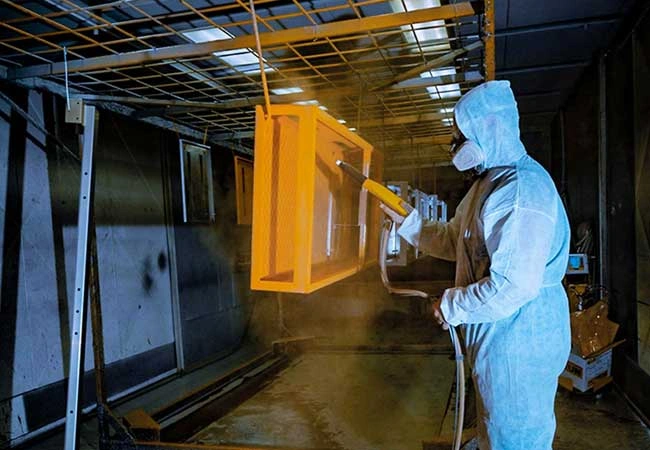
Powder coating is a dry finishing process that applies finely ground particles of pigment and resin to a surface. These particles are electrostatically charged and sprayed onto the aluminum surface, then cured under heat to form a high-quality, durable finish.
The Powder Coating Process
1. Surface Preparation
- Chemical cleaning
- Mechanical cleaning
- Conversion coating
- Quality inspection
2. Powder Application
- Electrostatic charging
- Spray techniques
- Powder selection
- Coverage control
3. Curing Process
- Temperature control
- Time management
- Cooling procedures
- Quality verification
Advantages of Powder Coating
Environmental Benefits
- Zero volatile organic compounds
- Recyclable overspray
- Reduced waste
- Energy efficiency
- Minimal environmental impact
Performance Advantages
- Superior durability
- Excellent adhesion
- Uniform coverage
- Impact resistance
- Chemical resistance
- Weather resistance
Economic Benefits
- Cost-effective application
- Reduced waste
- Lower energy costs
- Minimal maintenance
- Long service life
Types of Powder Coatings
Thermoplastic Powders
- High thickness capability
- Chemical resistance
- Impact resistance
- Flexibility
Thermoset Powders
- Excellent hardness
- Heat resistance
- Color stability
- Various finish options
Common Applications
Architectural
- Window frames
- Door systems
- Curtain walls
- Structural components
- Decorative elements
Industrial
- Machine parts
- Equipment housings
- Electrical enclosures
- Transportation components
- Storage systems
Consumer Products
- Furniture
- Appliances
- Lighting fixtures
- Sports equipment
- Garden furniture
Quality Control Measures
Pre-coating Inspection
- Surface cleanliness
- Profile measurement
- Contamination check
- Temperature verification
During Application
- Powder thickness
- Coverage uniformity
- Application parameters
- Environmental conditions
Post-coating Testing
- Adhesion testing
- Impact resistance
- Hardness testing
- Color verification
- Thickness measurement
Troubleshooting Common Issues
Surface Defects
- Orange peel
- Pinholes
- Fish eyes
- Contamination
- Solutions for each
Application Problems
- Uneven coverage
- Poor adhesion
- Curing issues
- Equipment-related problems
Industry Best Practices
Process Control
- Temperature monitoring
- Line speed optimization
- Powder management
- Equipment maintenance
Safety Considerations
- Personal protection
- Fire safety
- Dust control
- Ventilation requirements
Future Trends
Technology Advances
- Smart powder materials
- Automated application systems
- Energy-efficient curing
- Quality control innovations
Sustainability Initiatives
- Bio-based powders
- Energy reduction
- Waste minimization
- Recycling programs
Conclusion
Powder coating continues to evolve as a premier finishing solution for aluminum products. Its combination of durability, environmental benefits, and cost-effectiveness makes it an ideal choice for numerous applications. Understanding the process, maintaining quality control, and staying current with industry developments ensures optimal results in powder coating operations.
Recent Blogs
-
27/11/2024
Aluminum logs and billets serve as the fundamental raw materials in the aluminum extrusion industry. These semi-finished products play a crucial role in determining the final quality of extruded aluminum products. Understanding their characteristics, production processes, and quality requirements is essential for manufacturers and buyers alike.
Read More -
27/11/2024
Anodizing stands as one of the most important surface treatment processes for aluminum, transforming the metal's surface into a durable, corrosion-resistant, and aesthetically pleasing finish. This electrochemical process has revolutionized how we protect and enhance aluminum products across various industries.
Read More -
27/11/2024
In today's architectural and industrial landscape, aluminum profiles have emerged as one of the most versatile and sought-after materials. These engineered aluminum sections combine strength, lightweight properties, and design flexibility, making them indispensable across multiple industries.
Read More