Aluminum logs and billets serve as the fundamental raw materials in the aluminum extrusion industry. These semi-finished products play a crucial role in determining the final quality of extruded aluminum products. Understanding their characteristics, production processes, and quality requirements is essential for manufacturers and buyers alike.
What are Aluminum Logs and Billets?
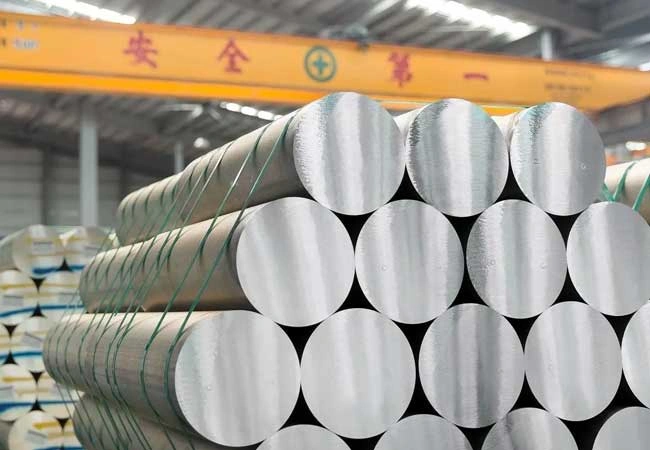
Aluminum Logs
- Large cylindrical castings
- Primary form from smelting
- Typically 5-8 meters in length
- Diameters ranging from 400-800mm
Aluminum Billets
- Cut sections from logs
- Ready for extrusion process
- Lengths determined by final product
- Precisely controlled dimensions
Manufacturing Process
Raw Material Preparation
- Selection of primary aluminum
- Addition of alloying elements
- Scrap metal integration
- Chemical composition control
Casting Process
- Melting and holding
- Degassing treatment
- Filtration systems
- Direct chill casting
- Controlled cooling
Quality Control Measures
- Chemical analysis
- Ultrasonic testing
- Surface inspection
- Dimensional verification
- Microstructure analysis
Critical Characteristics
Chemical Composition
- Precise alloy specifications
- Trace element control
- Hydrogen content
- Inclusion levels
Physical Properties
- Grain structure
- Hardness levels
- Surface quality
- Internal soundness
Dimensional Accuracy
- Diameter tolerance
- Length precision
- Straightness
- End squareness
Alloy Series and Applications
1xxx Series
- High purity aluminum
- Electrical applications
- Decorative finishes
- Chemical equipment
2xxx Series
- High strength applications
- Aerospace components
- Military equipment
- Precision machinery
6xxx Series
- Most common for extrusion
- Architectural applications
- Structural components
- Consumer products
7xxx Series
- Highest strength alloys
- Aerospace applications
- High-stress components
- Performance equipment
Storage and Handling
Storage Requirements
- Temperature control
- Humidity management
- Contamination prevention
- Proper stacking methods
Handling Procedures
- Equipment specifications
- Safety protocols
- Surface protection
- Inventory tracking
Impact on Final Products
Extrusion Quality
- Surface finish
- Mechanical properties
- Dimensional accuracy
- Production efficiency
Cost Considerations
- Material yield
- Processing time
- Energy consumption
- Quality consistency
Industry Trends and Innovations
Sustainable Production
- Recycled content
- Energy efficiency
- Waste reduction
- Environmental compliance
Technology Integration
- Advanced casting methods
- Automated inspection
- Digital tracking
- Quality prediction
Conclusion
The quality of aluminum logs and billets directly influences the success of subsequent manufacturing processes and final product performance. As industry standards continue to evolve and new applications emerge, maintaining strict quality control and embracing technological advances in production becomes increasingly important. Understanding these foundational materials helps ensure optimal results in aluminum extrusion operations.
Recent Blogs
-
27/11/2024
Powder coating has revolutionized the way we finish aluminum products, offering superior durability, environmental benefits, and aesthetic versatility. This advanced finishing process has become the preferred choice across numerous industries for its exceptional performance and cost-effectiveness.
Read More -
27/11/2024
Anodizing stands as one of the most important surface treatment processes for aluminum, transforming the metal's surface into a durable, corrosion-resistant, and aesthetically pleasing finish. This electrochemical process has revolutionized how we protect and enhance aluminum products across various industries.
Read More -
27/11/2024
In today's architectural and industrial landscape, aluminum profiles have emerged as one of the most versatile and sought-after materials. These engineered aluminum sections combine strength, lightweight properties, and design flexibility, making them indispensable across multiple industries.
Read More