In today's architectural and industrial landscape, aluminum profiles have emerged as one of the most versatile and sought-after materials. These engineered aluminum sections combine strength, lightweight properties, and design flexibility, making them indispensable across multiple industries.
Understanding Aluminum Profiles
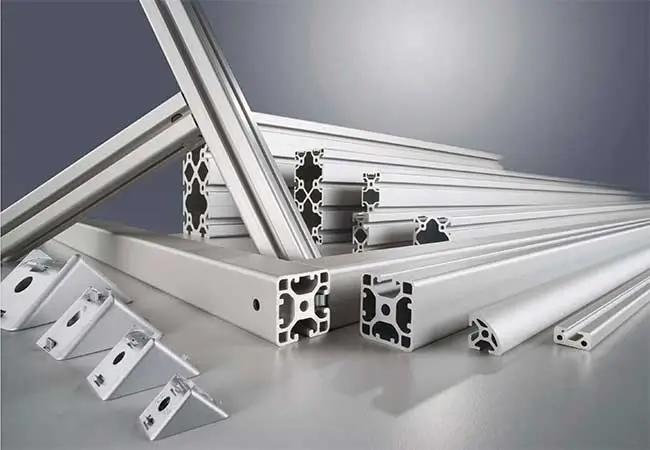
Aluminum profiles are extruded aluminum sections manufactured to meet specific design requirements. These precisely engineered components feature consistent cross-sectional shapes that can be simple or complex, depending on the intended application. The extrusion process allows for incredible design flexibility, enabling manufacturers to create profiles that perfectly match their needs.
Key Benefits of Aluminum Profiles
- Exceptional Strength-to-Weight Ratio The inherent properties of aluminum make these profiles incredibly strong while maintaining minimal weight, reducing structural loads and making installation easier.
- Corrosion Resistance Aluminum naturally forms a protective oxide layer, providing excellent resistance against corrosion and weathering, which is particularly valuable in outdoor applications.
- Design Flexibility The extrusion process allows for complex shapes and internal cavities that would be difficult or impossible to achieve with other materials or manufacturing methods.
- Cost-Effective Solutions Despite initial material costs, aluminum profiles often prove more economical over their lifecycle due to minimal maintenance requirements and long service life.
Common Applications
Construction Industry
- Curtain wall systems
- Window and door frames
- Structural frameworks
- Solar panel mounting systems
- Handrails and balustrades
Industrial Applications
- Machine guards and frames
- Conveyor systems
- Assembly line structures
- Workstation frameworks
- Clean room installations
Transportation Sector
- Vehicle body components
- Trailer construction
- Railway car components
- Marine applications
Environmental Impact
Aluminum profiles contribute significantly to sustainable construction and manufacturing:
- 100% recyclable material
- Minimal maintenance requirements
- Long service life
- Energy-efficient production compared to many alternatives
Choosing the Right Profile
When selecting aluminum profiles, consider:
- Load-bearing requirements
- Environmental exposure
- Assembly method
- Surface finish requirements
- Cost constraints
- Regulatory compliance
Conclusion
The versatility of aluminum profiles continues to drive innovation across industries. As sustainability becomes increasingly important, their combination of performance, adaptability, and environmental benefits makes them an ideal choice for modern construction and industrial applications.
Whether you're working on an architectural project, industrial automation, or transportation solution, understanding the capabilities and applications of aluminum profiles is crucial for making informed decisions that impact project success.
Recent Blogs
-
27/11/2024
Powder coating has revolutionized the way we finish aluminum products, offering superior durability, environmental benefits, and aesthetic versatility. This advanced finishing process has become the preferred choice across numerous industries for its exceptional performance and cost-effectiveness.
Read More -
27/11/2024
Aluminum logs and billets serve as the fundamental raw materials in the aluminum extrusion industry. These semi-finished products play a crucial role in determining the final quality of extruded aluminum products. Understanding their characteristics, production processes, and quality requirements is essential for manufacturers and buyers alike.
Read More -
27/11/2024
Anodizing stands as one of the most important surface treatment processes for aluminum, transforming the metal's surface into a durable, corrosion-resistant, and aesthetically pleasing finish. This electrochemical process has revolutionized how we protect and enhance aluminum products across various industries.
Read More